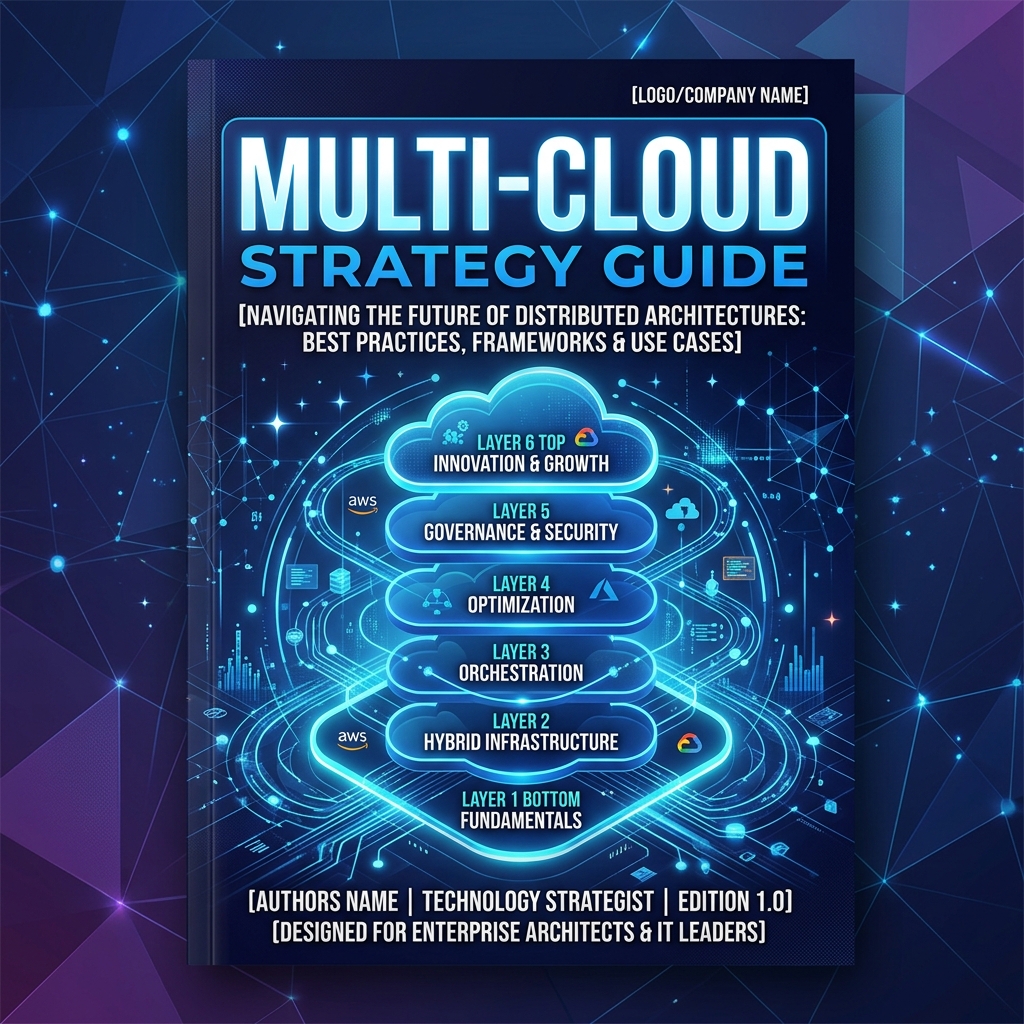
As enterprises scale, relying on a single cloud vendor introduces significant business continuity and budget risks. A mature multi-cloud strategy mitigates these risks by distributing database services and application deployments across Amazon Web Services (AWS), Microsoft Azure, and Google Cloud Platform (GCP). This guide details the structural framework required to design a highly available multi-cloud environment.
Key to this framework is separating the application logic from vendor-specific proprietary APIs. By leveraging standardized open-source runtimes, container platforms like Kubernetes, and Infrastructure-as-Code (IaC) configuration tooling like Terraform, organizations can move workloads seamlessly between cloud vendors without re-coding applications.
Furthermore, managing a multi-cloud system requires unified visibility. CTOs must implement centralized observability hubs to track performance latency and centralize cost reporting (FinOps). Deploying automated resource rightsizing and cross-vendor load balancing enables organizations to achieve up to a 30% reduction in monthly cloud hosting overhead while maintaining a 99.99% uptime guarantee.